
The Myth of the “Natural” Mother…
…. or Parent, Father, etc.
A shift for the better
Perhaps because we are all tired of and disenchanted by our culture of toxic consumerism, materialism, and artificial… well… everything, that there has been a growing shift towards more holistic avenues of wellness and healing.
I have seen this trend play out in the wellness, therapy, and birthing spheres in big and important ways, with the following being the most salient to my work as a perinatal therapist:
A growing shift from more medicalized and pathologizing methods of mental health treatment to holistic approaches such as somatic and relational therapies, functional medicine, nutrition, and acupuncture.
A significant and growing counterculture of birthing people who choose a midwifery model of care, who would prefer to deliver outside of hospitals, and/or without intervention.
The swing to more whole-person, holistic approaches makes sense to me, and I am delighted by this shift in so many ways. Much of the mistrust of modern and Western systems of medicine, food, and health are valid - given that so many have been failed in devastating ways by them, it only makes sense that people would look to preventative and holistic avenues for a more whole person approach to healing and wellness.
I also believe that our bodies, minds, and communities possess innate knowledge and generational wisdom that can inform healing during times of transition and after experiences of pain and trauma. Over the past centuries, the growing emphasis on Western empiricism and medicalized models of healing has contributed to the marginalization of other ways of knowing, including the wisdom found in the natural world and in the wisdom of our bodies, as a part of that world, and led to immense suffering.
However, I also see how the idea of the “natural” parent, mother, woman, birth, beauty (and on and on…) as being intrinsically better can create and maintain feelings of shame and self-criticism for so many, especially during the tender years of fertility and early parenthood.
It seems that as the pendulum has begun to swing away from more medicalized practices, we have fallen into the very common trap of blanketing anything “non-natural” as undesirable, less-than, and even immoral, with more “natural” often automatically ascribed more positive qualities, such as purity, health, or moral integrity.
She’s a “natural”
I see many examples of this in my work.
I have clients who feel that their bodies are bad, shameful, or broken if they need fertility treatment support—that they are “worth less” because of it.
Women and birthing people who feel that they have failed themselves, others, or their babies by needing to use interventions during birth or by having a C-section.
Others who are scared that they will damage their children for life because they weren’t able to breastfeed/chestfeed, or made the decision, for other reasons, to use formula instead of or in addition to breastfeeding.
There are some who feel like awful parents, or wonder whether they are “meant” to be a mother or father, because they don’t feel immediately bonded to their child. Many find themselves overwhelmed or struggling, or they miss their old lives and relationship before baby was born, and worry it means they aren’t “a natural.”
The naturalistic fallacy
With these clients, I often like to share a reframe based on an idea called the “naturalistic fallacy.” In brief, the naturalistic fallacy posits that just because something is “natural” (although we could write a whole other blog post about what that actually means), doesn’t mean it is better, good, or morally right.
For example, chimpanzees can be naturally violent and territorial. We humans seem to have inherited some of these tendencies. Does that provide a cart-Blanche excuse for us to shamelessly wage war and plunder under the guise of it being natural?

Chimpanzee behaviors can help us understand the fallacy that "what is natural is best.”
On the flip side, modern medicine has done an immense amount of good for the human species, from the creation of vaccines and antibiotics, to eyeglasses and contact lenses, to NICU technologies that allow significantly premature babies a chance at life, to reproductive technologies. Our lifespans, as well as quality of life, has increased significantly thanks in no small part to these arguably “unnatural,” man-made innovations.
Systems of power and prejudice
I also think it’s important to speak to the cultural biases that are woven, often invisibly, through the idea of “natural is best,” specifically patriarchy, heteronormativity, and white supremacy.
When we fall into the naturalistic fallacy, we fail to address how systemic and historical factors, like the removal of cultural wisdom from the practice of birthing, lesser quality prenatal and maternal care for people of color, and generational trauma shaped by racism and poverty, play into who gets to claim and have access to what is “natural.” For example, from the stance of “natural is best,” LGBTQIA+ clients who use fertility support methods are immediately assumed to be “unnatural” or lesser birthing people and parents.
The complexity and history of attachment
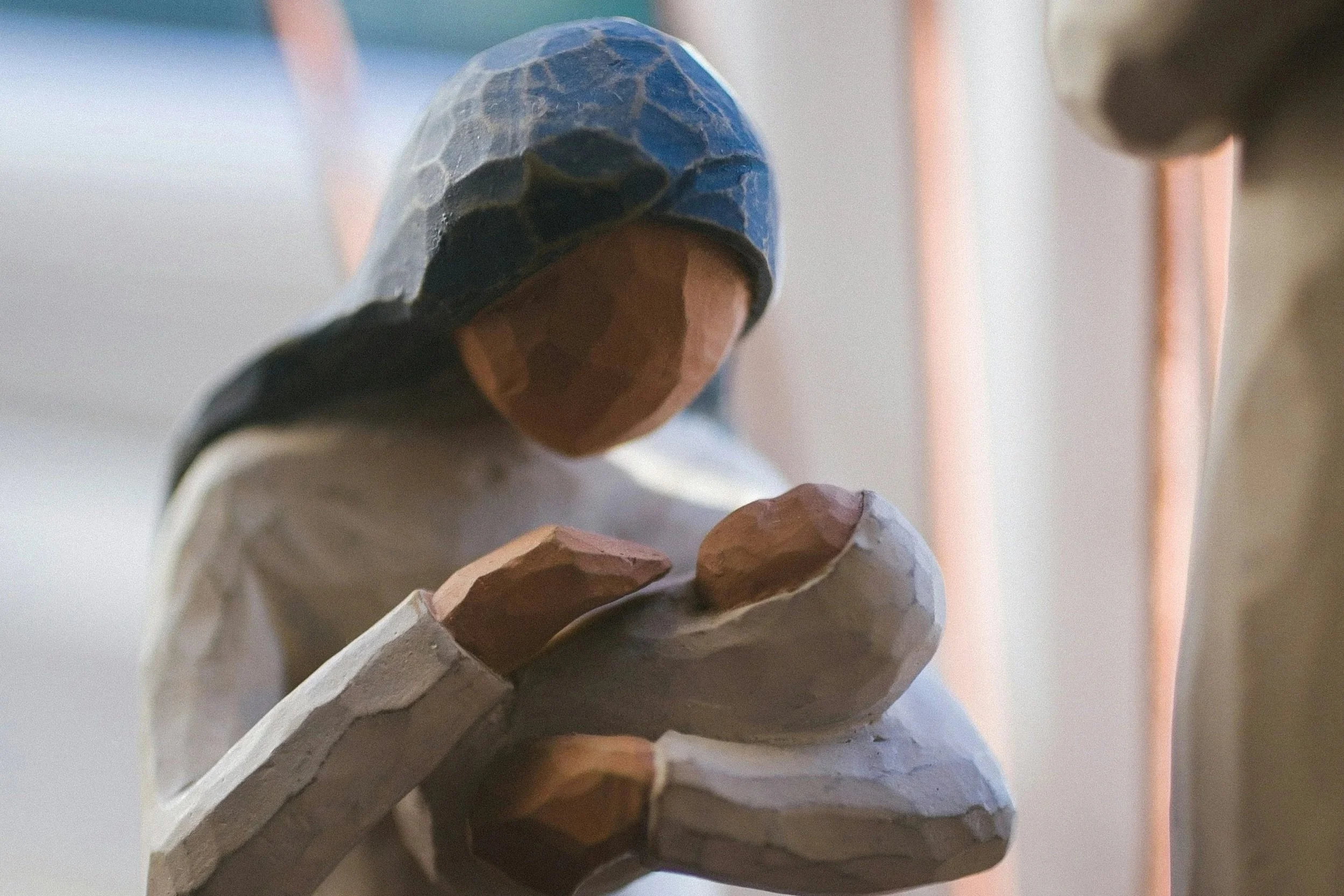
There is a lot of pressure these days to foster "healthy attachment" with our children. Often, the cultural image of a "natural" mother seems to mirror this ideal: someone who immediately bonds with their baby, is endlessly warm, patient, self-sacrificing, and emotionally available at all times. It can leave parents, especially mothers, feeling that if they struggle, lose patience, need support, or don't feel instantly connected to their baby, there is something wrong with them.
I think it's important to remember that attachment is far more complex than our culture often portrays it to be. Attachment relationships are dynamic, shaped over time, and influenced by far more than any single moment, parenting decision, or difficult season. They are also embedded within larger family, community, and cultural systems.
It's also worth remembering that attachment theory itself has a history. Many of its early psychoanalytic roots, including the work of Winnicott (who, full disclosure, is foundational to my own theoretical orientation), placed enormous emphasis on the mother-child relationship while giving comparatively little attention to the roles of fathers, extended family, community, or the broader social conditions in which families are raising children.
Although attachment theory has evolved significantly since then, I think some of those mother-centric assumptions still linger in our internalized beliefs about ourselves and in our cultural messaging. Our reductive ideas about attachment can leave women believing that every aspect of their child's emotional well-being rests solely on their shoulders, and that all of this should be effortless, easeful, pleasurable, and, yes, natural - an impossible standard that is both unrealistic and deeply gendered.
We can reflect, learn, change, and grow
The idea of the "natural" parent also doesn't take into account that so much of how we parent is learned - through how we were parented ourselves and through watching others, both within our families and in the culture around us. It also overlooks our incredible capacity to reflect, learn, change, and grow.
And that our ideas and beliefs about ourselves can shift from ones that were unconsciously absorbed to ones that we have active participation in.
Sitting in complexity
When we do the work to accept that our bodies are complex, imperfect, and worth more than how they look, how they perform, or what they produce, we can grieve fertility struggles, birth trauma or disappointment, and feeding challenges without getting stuck in self- judgment or shame.
When we reframe parenting as something to learn and mature into with our children, rather than something that we should know how to do right away, we make space for mistakes and evolution, knowing that our mess-ups are the gateway to our growth.
When we allow ourselves permission to be imperfect, we, paradoxically, allow ourselves the room to transform.
If you’re seeking support in understanding, processing, and growing through points of shame, self-criticism, or blame in your perinatal journey, I would love to connect.
Connie Roberts is a licensed therapist (LCSW) in Colorado specializing in perinatal mental health, parenting, trauma, CPTSD, couples counseling, and body image. She works with clients using psychodynamic therapy, somatic approaches, EMDR and IFS / parts work.